
5 Common Accounting Mistakes London SMEs Make and How to Avoid Them
Understanding the Common Accounting Pitfalls
Small and medium-sized enterprises (SMEs) in London face unique challenges when it comes to managing their finances. With limited resources and often a lack of dedicated financial expertise, accounting mistakes can easily occur. These errors can lead to significant issues, including cash flow problems and compliance breaches. Identifying these common pitfalls and learning how to avoid them is crucial for the success of any business.

1. Inadequate Record Keeping
One of the most prevalent mistakes SMEs make is poor record keeping. Without accurate records, businesses can struggle to track their financial performance and meet tax obligations. This often leads to cash flow issues and missed opportunities for growth.
Solution: Implement a robust system for tracking all financial transactions. Digital accounting software can automate much of this process, ensuring that records are accurate and up-to-date. Regularly review and reconcile your accounts to maintain accuracy.
2. Mismanaging Cash Flow
Cash flow is the lifeblood of any business, and mismanagement can quickly lead to insolvency. Many SMEs fail to monitor their cash flow effectively, leading to shortfalls that can impact operations and growth.
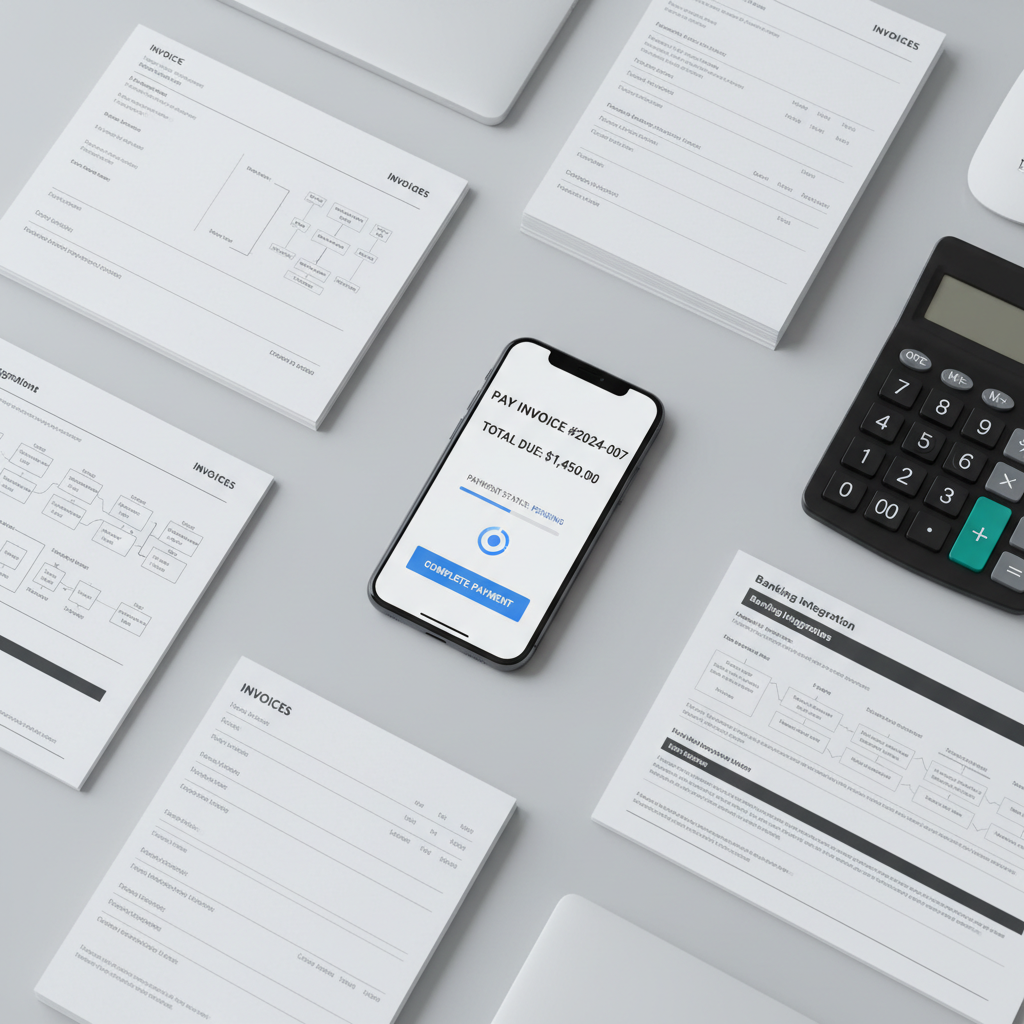
Solution: Create a detailed cash flow forecast and update it regularly. This will help you anticipate and manage any potential shortfalls. Consider implementing stricter credit control measures to ensure timely payments from clients.
3. Neglecting Tax Deadlines
Missing tax deadlines is a common issue that can result in penalties and interest charges. Many SMEs underestimate the importance of staying on top of their tax obligations and end up paying the price.
Solution: Set up reminders for all tax deadlines and work with a qualified accountant to ensure compliance. Regularly review tax obligations and plan ahead to avoid last-minute scrambles.

4. Overlooking Expense Tracking
Failing to track and categorize expenses accurately can lead to overspending and missed tax deductions. This oversight can significantly impact profitability and compliance.
Solution: Use expense tracking tools to categorize and monitor expenses in real-time. Regularly review expense reports to identify areas for cost-saving and ensure all expenses are accurately documented.
5. Failing to Seek Professional Advice
Many SMEs attempt to manage their accounts in-house without consulting professionals. This can lead to mistakes that could have been easily avoided with expert guidance.
Solution: Engage with professional accountants who understand the specific needs of SMEs. They can provide valuable insights, help with strategic planning, and ensure compliance with all financial regulations.
By addressing these common accounting mistakes, London SMEs can strengthen their financial health and set themselves on a path for sustainable growth. Implementing these solutions will not only improve day-to-day operations but also provide a solid foundation for long-term success.