
Seasonal Financial Tips for London SMEs: Preparing for Tax Season
Understanding the Importance of Early Preparation
For small and medium-sized enterprises (SMEs) in London, tax season can often feel daunting. However, early preparation can transform this challenging period into a strategic opportunity. By organizing financial records and understanding tax obligations in advance, businesses can alleviate stress and potentially uncover cost-saving opportunities.
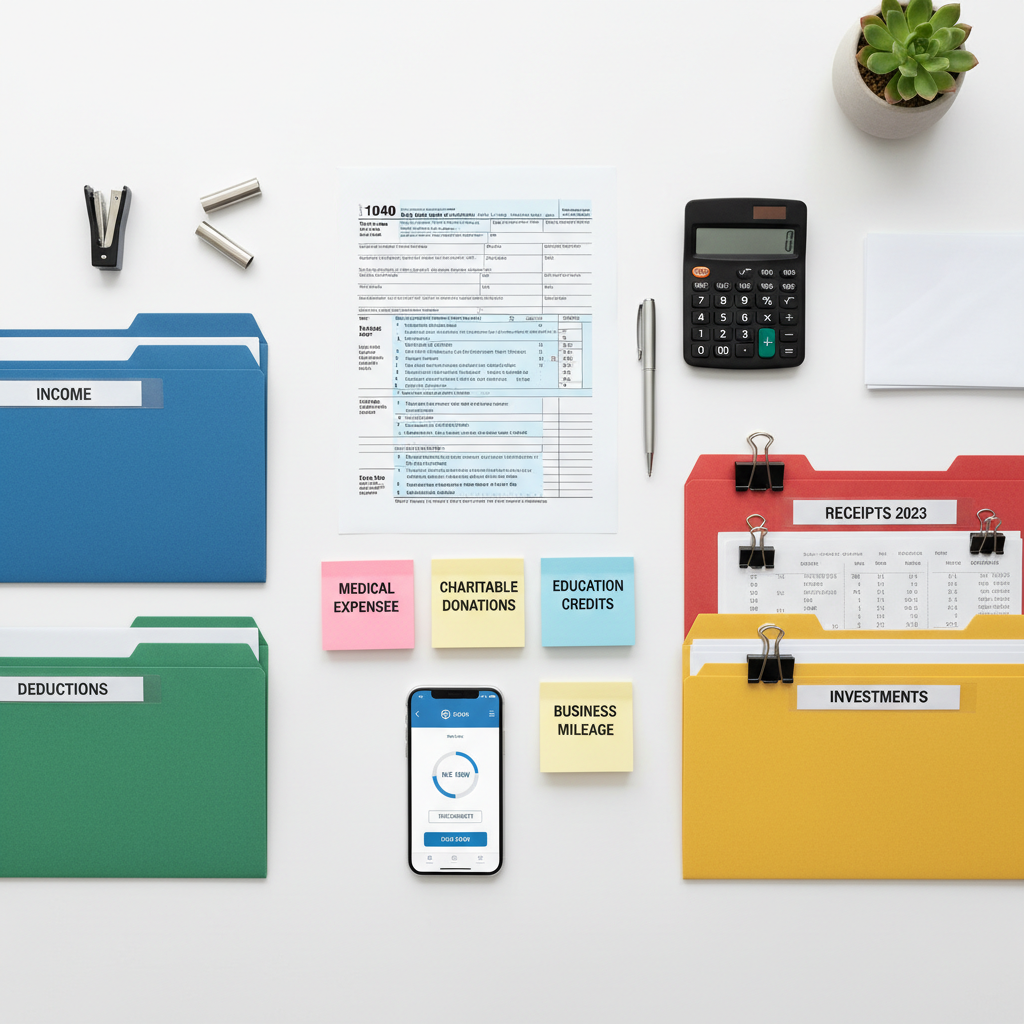
Organize Your Financial Records
One of the first steps in preparing for tax season is to ensure that all financial records are in order. This includes maintaining up-to-date records of income, expenses, payroll, and any other financial transactions. Utilizing accounting software can streamline this process, making it easier to generate accurate reports and minimize errors.
Understand Tax Obligations
SMEs must be aware of their specific tax obligations, which can vary depending on the nature of the business and its revenue. Key taxes include corporation tax, VAT, and PAYE. It’s crucial to stay informed about any changes in tax laws that could affect your business. Consulting with a tax advisor can provide clarity and ensure compliance.
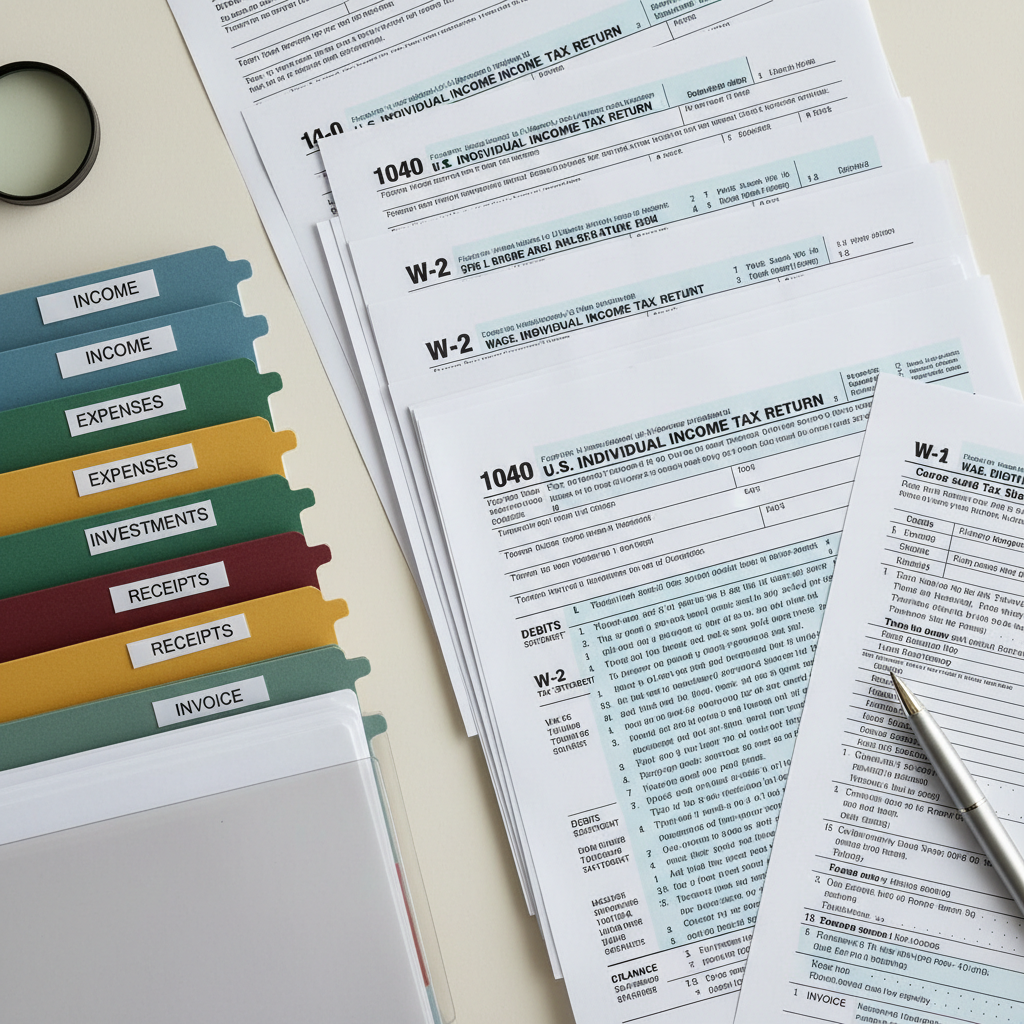
Maximize Deductions and Credits
Many SMEs overlook potential deductions and credits that could significantly reduce their tax liability. Common deductions include business expenses such as office supplies, travel, and utilities. Additionally, certain credits may be available for research and development activities or energy-efficient improvements.
Plan for Cash Flow
Cash flow management is vital during tax season. SMEs should forecast their tax liabilities and set aside sufficient funds to cover these expenses. This proactive approach helps avoid last-minute financial strain and ensures that the business remains solvent.
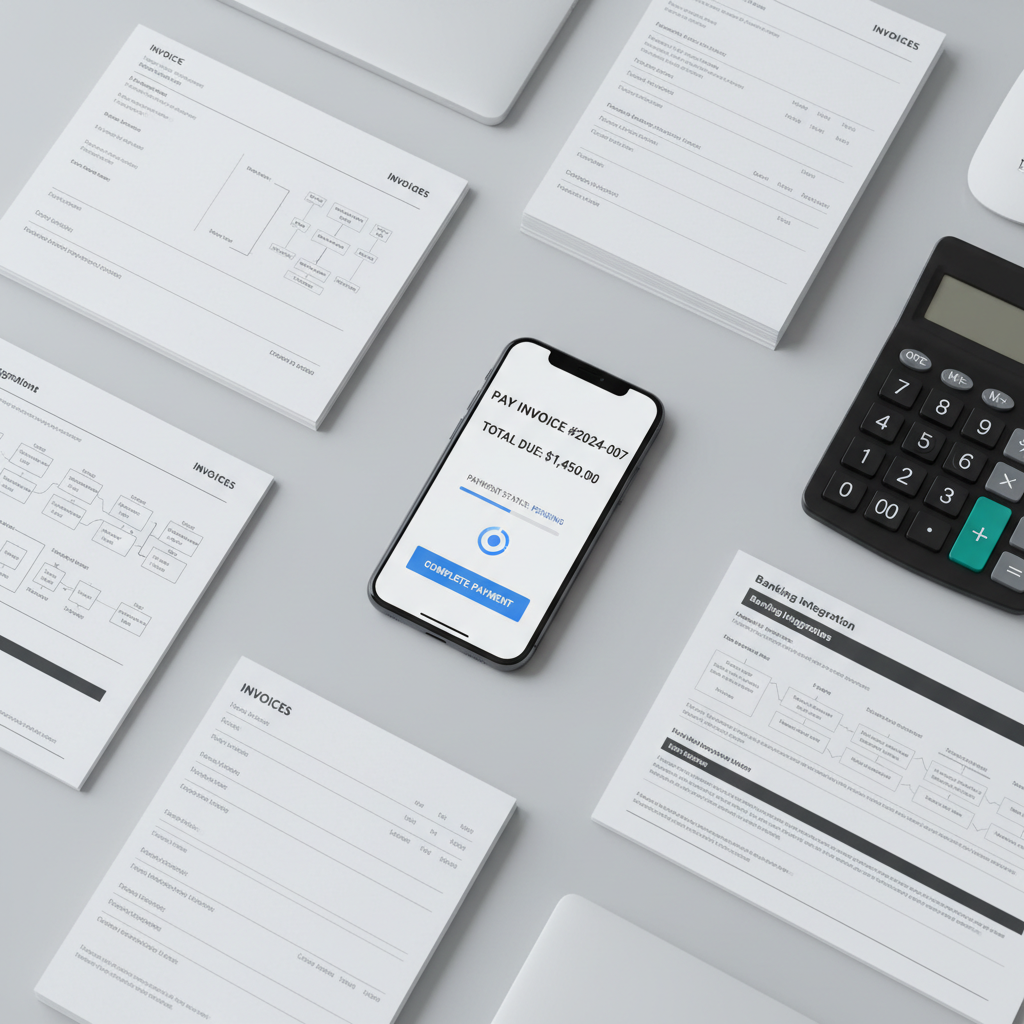
Leverage Technology for Efficiency
In today's digital age, leveraging technology can significantly enhance efficiency during tax preparation. Accounting software and digital receipt management tools can automate many processes, reducing the risk of human error and saving valuable time. These tools can also provide real-time insights into the company’s financial health.
Seek Professional Assistance
While many SMEs handle their taxes internally, seeking professional assistance can be beneficial, especially for complex tax situations. Accountants and tax advisors offer expertise that can help identify potential savings and ensure compliance with all tax regulations.
Review and Reflect
After the tax season concludes, it’s essential for SMEs to review their financial performance and the effectiveness of their tax strategies. Reflecting on what worked well and identifying areas for improvement can set the stage for even smoother tax seasons in the future.
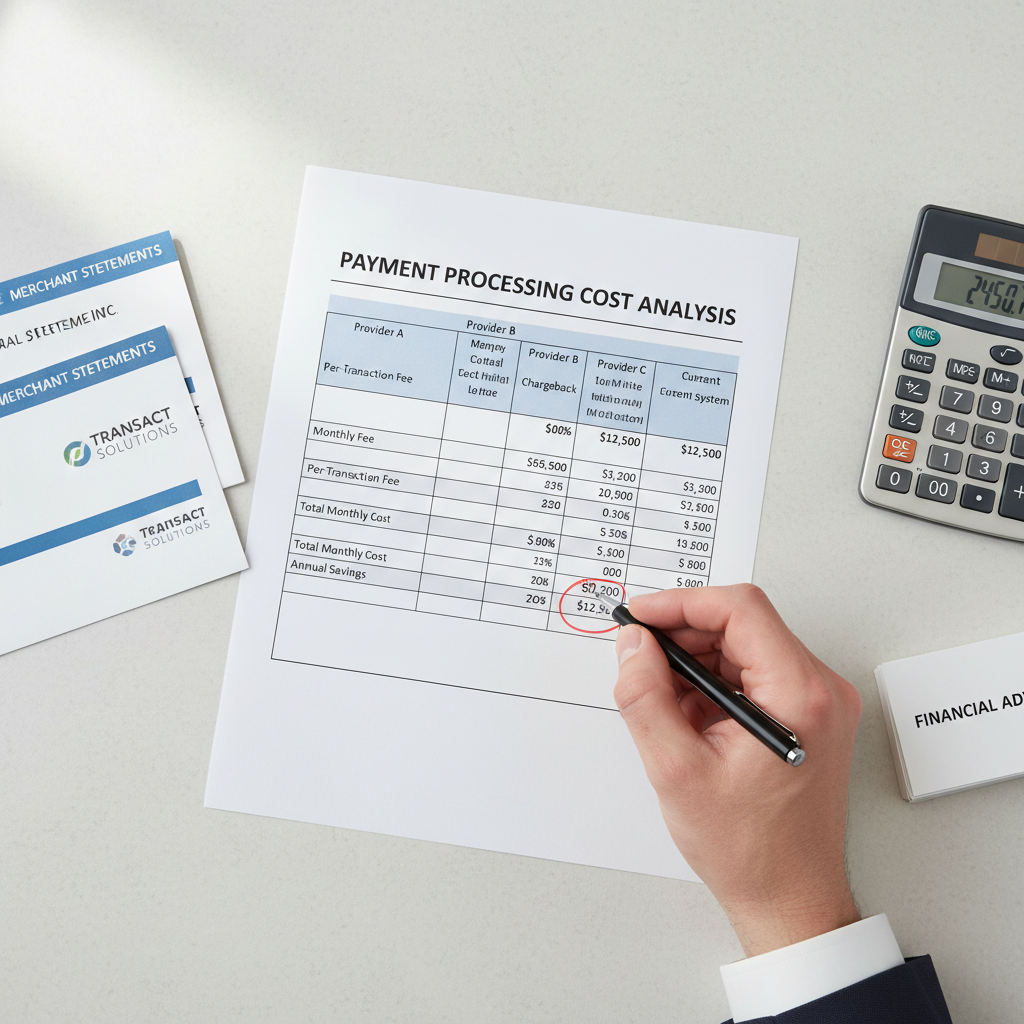
By taking these proactive steps, London SMEs can not only survive tax season but thrive, leveraging it as an opportunity to strengthen their financial standing and prepare for future growth.