
The Future of Accounting: Trends Affecting UK SMEs
In recent years, the landscape of accounting has been rapidly evolving, particularly impacting small and medium-sized enterprises (SMEs) in the UK. Technological advancements, regulatory changes, and shifting business practices are reshaping how these businesses manage their finances. Understanding these trends is crucial for SMEs to stay competitive and ensure compliance.
Embracing Digital Transformation
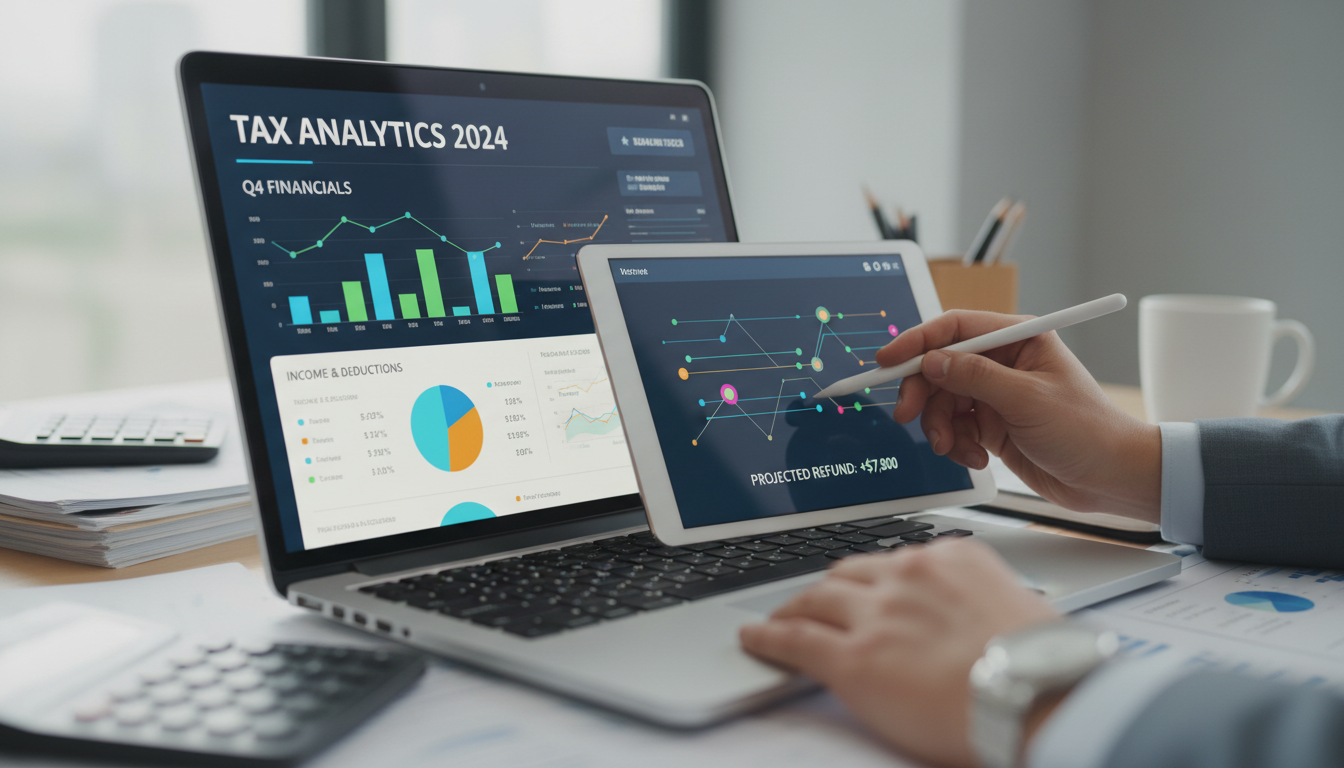
The accounting industry is undergoing a digital revolution. Many UK SMEs are adopting cloud-based accounting solutions, offering real-time access to financial data. This shift not only enhances efficiency but also improves decision-making by providing up-to-date financial insights. Businesses that harness these technologies can streamline their operations and reduce human errors.
Moreover, automation tools are becoming more prevalent, allowing companies to automate repetitive tasks such as invoicing and payroll. This enables accountants to focus on more strategic roles, providing value-added services to their clients.
Regulatory Changes and Compliance
UK SMEs must navigate a complex regulatory environment that is constantly evolving. Recent updates to tax codes and financial regulations require businesses to stay informed and adapt quickly. For instance, the implementation of Making Tax Digital (MTD) mandates that businesses above the VAT threshold must keep digital records and use compatible software to submit VAT returns.
Staying compliant can be challenging, but leveraging the right technology can ease the burden. Many software solutions now include features that help ensure adherence to current regulations, minimizing the risk of non-compliance.

The Rise of Data Analytics
Data analytics is becoming an essential tool for SMEs looking to gain a competitive edge. By analyzing financial data, businesses can identify trends, forecast future performance, and make informed decisions. This capability allows SMEs to optimize their operations and improve profitability.
Advanced data analytics platforms offer user-friendly dashboards and reports, making it easier for business owners and managers to understand complex data. As these tools become more accessible, SMEs can harness the power of data to drive growth.

Focus on Cybersecurity
With the increasing reliance on digital tools, cybersecurity has become a critical concern for UK SMEs. Protecting sensitive financial information from cyber threats is essential to maintaining trust and avoiding potential financial losses. Implementing robust security measures such as encryption, two-factor authentication, and regular security audits is vital.
As cyber threats continue to evolve, SMEs must remain vigilant and proactive in safeguarding their financial data. Investing in cybersecurity solutions and educating employees on best practices can significantly reduce the risk of data breaches.
In conclusion, the future of accounting for UK SMEs is shaped by technological advancements, regulatory changes, and the growing importance of data. By embracing these trends, businesses can improve efficiency, ensure compliance, and drive growth. Staying ahead of these developments will be key to thriving in the ever-changing business landscape.